


 Aeronautics
INDUSTRY
The Swiss machinery industry: navigating uncertainty through innovation and strategy
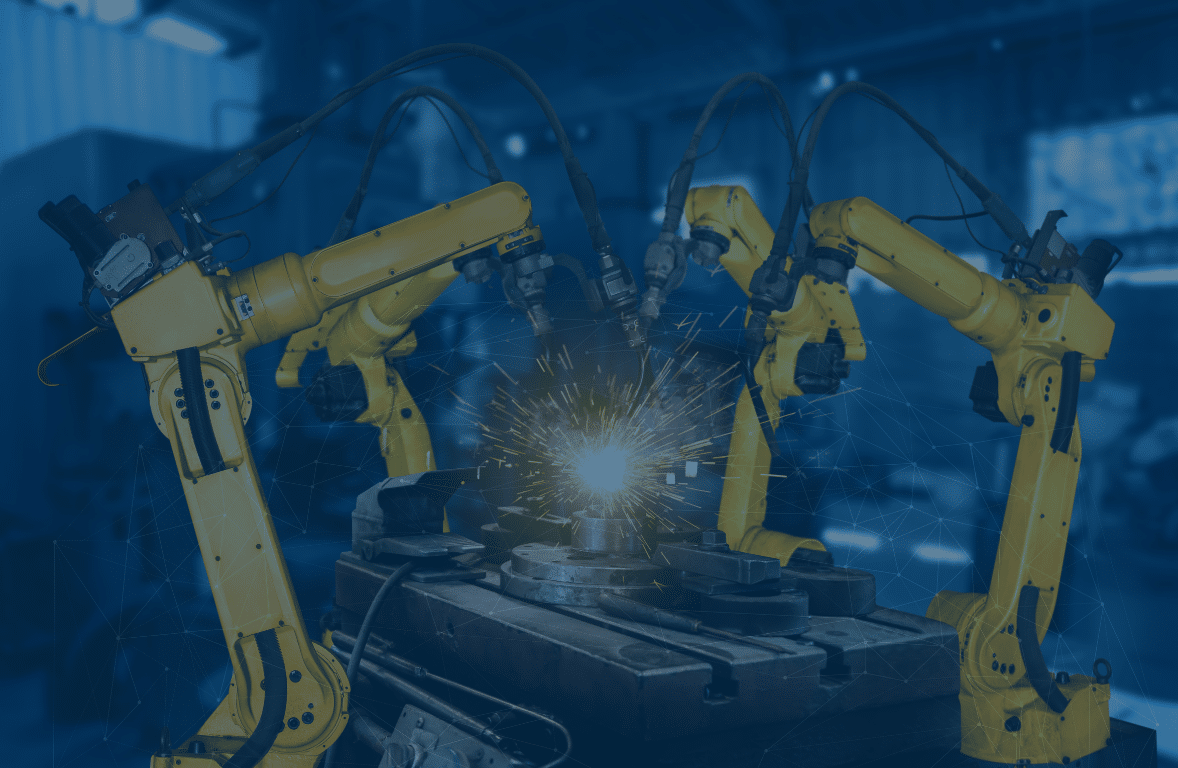
At the heart of Switzerland’s industrial sector lies the Swiss machinery, electrical equipment, and metals (MEM) industry. While it traditionally focused on core industrial production, the sector has evolved to include high-tech fields such as sensors, photonics, robotics, additive manufacturing, and industrial ICT, adapting to the evolving global demands.

The Swiss MEM (Machinery, Electrical Engineering, and Metals) industry has recorded a +3.4% increase in turnover (sales) and a +10.1% rise in incoming orders for the first half of 20261.
However, this growth has been largely driven by major companies, with small and medium-sized enterprises (SMEs) benefiting less from the upward trend.
As Switzerland’s second-largest export sector, the MEM industry plays an important role in the national economy with 75% to 80%2 of its production destined for international markets. While demand has strengthened in Europe, the sector faces declining activity in Asia3, highlighting the uneven nature of global market conditions.
Growth amid market fragmentation
According to the Economic Barometer Review4 by Swissmechanic, published in May 2026, Swiss tech SMEs are under increasing pressure.
Key challenges include:
- rising energy prices (affecting 23% of firms)
- labour shortage (22%)
- exchange rate fluctuations (41%)
Concerns about exchange-rate volatility and energy prices have increased since January 2026, while labour shortages remain a significant challenge, placing smaller companies in a particularly vulnerable position.
In parallel, international competition, especially coming from China, continues to intensify.
The Swiss Business in China Survey 2025 (Casas-Klett, Musy, & Xiao, 2026) underscores that superior product quality alone is no longer sufficient to maintain a competitive edge. As Chinese companies rapidly enhance their technological and innovation capabilities, Swiss firms must increasingly rely on strong brand positioning and cultivating long-term customer relationships to differentiate themselves.
Innovation, talent and sustainability will shape the future
Despite these challenges, the Swiss MEM industry retains important competitive advantages, including its reputation for precision engineering, innovation, reliability, and niche expertise. However, sustaining this position will require continuous improvement in operational efficiency. In particular, further digitalisation of processes and increased investment in automation will be essential to enhance productivity and resilience.
Human capital remains another critical factor. Switzerland continues to experience a shortage of engineers and technical specialists, as highlighted by the Swiss Skills Shortage Index 20255. Therefore, companies must focus on attracting and retaining talent by investing in training, career development, and initiatives that enhance the sector’s overall attractiveness.
Sustainability also represents a key strength and differentiator. Since 1990, the Swiss technology industry has reduced its CO₂ emissions by 64%6, demonstrating a strong commitment to environmental responsibility. Moreover, the sector has successfully decoupled economic growth from energy consumption and carbon emissions, meaning it is generating value more efficiently and sustainably. This achievement constitutes a unique selling proposition for Switzerland’s technology and machinery industries in an increasingly environmentally conscious global market.
In conclusion, the Swiss MEM industry stands at a crossroads. While it faces structural challenges and intensifying global competition, its ability to innovate, invest in digital transformation, strengthen its workforce, and leverage sustainability as a strategic asset will be essential in ensuring its long-term success.